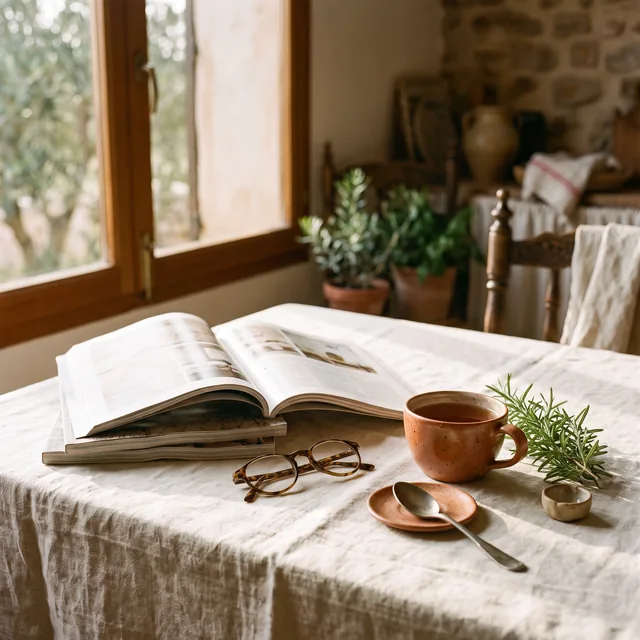
The Modern Art of Luxury Living
This guide explores luxury as an intentional art of living well, emphasizing quality, craftsmanship, and meaningful experiences over visible status. Discover 'quiet luxury' in travel, wine, home design, wardrobe, watches, and wellness. Today's luxury is defined by discretion, longevity, and authenticity—curating a life where health, time, and peace of mind are the ultimate treasures, supported by thoughtful choices in every aspect of daily life.
Chapters
Transcript
Two voices from the Online Media Network archive.
Picture this: a home with barely a logo in sight, a wardrobe of just a few perfect pieces, and a life focused on meaning, not just money. Ever wonder what true luxury looks like now?
That vision is everywhere right now. I’m Aurelia Cazia, and today we’re diving into the real art of living well—beyond the old status symbols, all about curation, intention, and lasting joy.
We’ll unpack what modern luxury really means, why 'quiet luxury' is turning heads, and how to reimagine travel, wine, design, and even your own daily rituals.
Along the way, we’ll tackle building a serious wine cellar, curating a timeless wardrobe, the meaning of true wellness, and—my favorite—why less can absolutely be more. Ready to rethink what luxury means to you?
The old image of luxury—big logos and showy brands—seems to be fading fast. Why the shift toward subtlety?
People are drawn to what feels authentic. Genuine quality lasts longer than any fleeting trend, and there’s something deeply appealing about choosing items for personal meaning instead of public approval.
It’s almost as if the best luxury is invisible to anyone except the person enjoying it. That inward turn feels so refreshing.
Exactly—the focus now is on longevity, provenance, and how each choice actually shapes your experience day to day. It’s about living well, not just looking wealthy.
Let’s talk travel. Gone are the days of just checking into the fanciest hotel and calling it luxury. What’s changed?
Now, the most coveted trips are about authentic immersion—like a private tour of a historic vineyard, or learning from local artisans. It’s slow travel, fewer destinations, and unforgettable access.
So, it’s less about the thread count in your sheets and more about having your own rhythm, right?
Absolutely—and it’s also about responsibility. Conservation-minded lodges and carbon-aware itineraries are setting the new standard for what’s truly exclusive.
That actually reminds me—so many people talk about 'curated' trips now. What really sets a luxury journey apart?
It comes down to personalization and purpose. Imagine a private museum visit after hours, or joining a conservation expedition. These experiences prioritize depth, not just expense.
And slowness matters, too. The idea of savoring a place instead of racing through an itinerary is so appealing.
Right, and working with local guides or fixers can unlock doors that even the fanciest booking sites can’t. That human connection is priceless.
Switching gears for a second—what about luxury dining? It seems like even food has become part of the performance.
It really has! Michelin stars and chef’s tables grab headlines, but often, the best luxury is simple: impeccable ingredients, a chef who cares, and unhurried company. That’s where the magic happens.
It almost makes me want to slow down every dinner at home—and maybe treat it like an occasion more often.
That’s the secret. Luxury can be as much about how you savor a meal as where you eat it.
Now, for those who love wine—where does someone start if they want to create a true luxury collection?
Start with storage! Temperature and humidity control are key, and don’t overlook provenance—knowing where a bottle’s been is priceless. But most of all, buy with restraint. The best cellars reflect your taste, not just famous labels.
So, it’s not about chasing trophies or filling shelves for show.
Exactly. Balance is everything: bottles to enjoy now, some to age, and always a mix of regions. That’s where a collection becomes an experience, not just an inventory.
Let’s talk interiors. The term 'sanctuary' comes up again and again. How does a luxury home achieve that feeling?
It’s all about intentional design—custom furniture, handcrafted details, and spaces that feel curated, not cluttered. Italian, Scandinavian, and Japanese influences bring serenity and celebrate imperfection, like the wabi-sabi philosophy.
I love that idea—letting materials age and embracing empty space as a kind of luxury in itself.
There’s real power in letting a room breathe. Investing in what you use daily, and editing ruthlessly, creates a space that feels both personal and timeless.
Funny you say timeless—technology is everywhere, but it’s supposed to disappear in true luxury homes. How’s that possible?
The most sophisticated systems are invisible: hidden speakers, motorized shades, automated lighting that responds to your needs without drawing attention. It’s comfort without compromise, letting craftsmanship—and you—take center stage.
So, you want homes where you can feel the quality, but not see the gadgets.
Precisely. Sophistication is quieter than ever. The tech should serve your life, not dominate your senses or your style.
Moving into personal style, why is everyone talking about the capsule wardrobe these days?
Because it’s the antidote to fast fashion. Fewer pieces, each chosen for fabric and fit, create endless combinations—and each item feels special. Houses like Hermès and The Row are masters of this philosophy.
It really does seem like luxury is about care—how you buy, store, and maintain your clothes, not just what brand is on the label.
Absolutely. Taking time to select, tailor, and even repair your garments is a ritual that adds meaning—and longevity—to every piece.
Watches are another world entirely—what is it that makes them the ultimate heirloom?
There’s something magical about a fine mechanical watch. Each one is a feat of engineering and tradition, crafted to last a lifetime, or even longer. Wearing one is like wearing a piece of history.
And it’s not just watches—jewelry, furniture, even a well-made trunk can become part of a family’s story.
That’s the heart of considered luxury: choosing things that outlast trends, that gather meaning, and can be handed down. It’s luxury as legacy, not just lifestyle.
One theme that keeps coming up is that the ultimate luxury isn’t a thing at all—but time, health, and peace of mind. Why is that message resonating so much now?
Life is busier than ever. Real luxury now means protecting your time and energy, focusing on wellness, sleep, movement, and the freedom to be truly present. The rarest privilege might just be the chance to slow down.
It’s a big shift—wellness retreats, mindful eating, guarded downtime. Simplicity is suddenly the highest form of richness.
Those quiet moments—a nourishing meal, an uninterrupted morning—are priceless. They’re available to anyone who chooses attentiveness, not just the wealthy.
So, if we had to sum up, what are the three biggest lessons from this new era of luxury living?
First, real luxury is intentional—it’s not about how much you own but how thoughtfully you live. Second, the most meaningful things often have the quietest presence, from a well-cut coat to an unhurried meal. Third, time and wellbeing are the ultimate treasures, worth protecting above all.
And the next step? Take a moment to reflect on just one area of your life—travel, food, home, or wardrobe—and ask how you might choose more quality, more meaning, or a little more slowness.
Because in the end, the art of living well isn’t about status—it’s about savoring, curating, and celebrating the moments, big or small, that matter most. Thanks for joining us on this journey to a richer, quieter life.
Show
More from The Magazine
Topic episodes from the network's magazines.
Dubai's Lavish Afternoon Tea & Sweets
Dubai reinvents afternoon tea with sky-high venues, gold-topped pastries, and local twists like date syrup and saffron. Top palace hotels host extravagant teas, while Al Nassma pioneers camel milk chocolate. French pastry houses thrive alongside local icons like Brix Desserts. The season runs November–March, with elegant dress codes and late hours. Expect high prices, unique flavors, and unforgettable settings from Jumeirah to the Dubai Mall.
Tenerife: Europe's Eternal Spring Island
Tenerife offers year-round mild weather, dramatic landscapes split by Mount Teide, and unique Canary Island palms. It boasts diverse beaches, volcanic scenery, and cultural events like the vibrant Carnival and Corpus Christi sand carpets. Ideal for remote workers and families, Tenerife provides coworking spaces, resort amenities, and attractions for kids. The island combines Spanish prices, easy European flights, and a perfect escape from winter's cold.
Understanding Diamond Certificates
Learn how to read diamond certificates from GIA, IGI, and HRD to compare stones and spot value. The guide explains key sections: report number, measurements, grading results, proportions, fluorescence, and inclusions. GIA is the strictest lab; IGI is slightly more generous. Always verify report numbers and check for clarity comments. Certifications describe a stone, not its value, and grades are fixed unless the stone is damaged.
Rethinking Wall Finishes: Beyond Flat White
This piece explores how wall finishes, from lime wash and clay plaster to marmorino and tadelakt, dramatically affect a room's look and feel. Flat white paint, though common, reflects light uniformly and can appear cheap in good light, while textured plasters add depth, warmth, and age gracefully. The article emphasizes sampling, substrate preparation, and choosing the right white for your light conditions, advocating for continuity across walls and ceilings for a cohesive space.