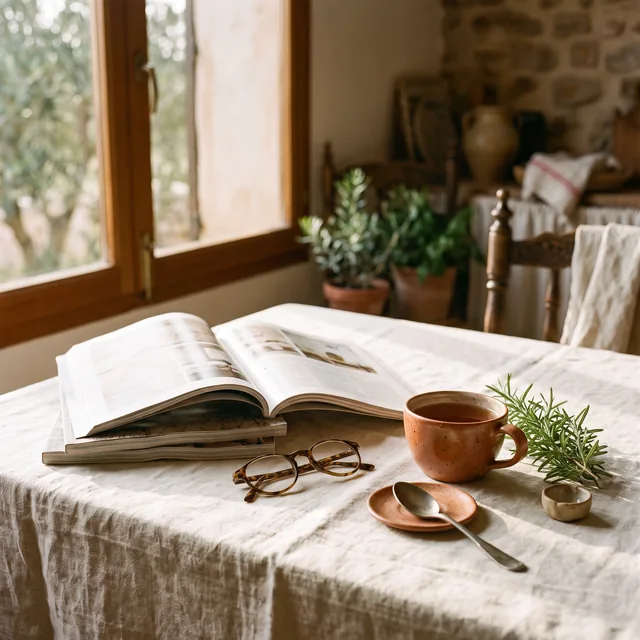
Marbella: Premier Private Dining Destination
Marbella offers Europe's longest outdoor dining season, Mediterranean-Andalusian cuisine, and exceptional value—one-third below French Riviera prices. Villas are designed for entertaining, with multilingual staff and streamlined logistics. Seasonal highlights include fresh local produce, skilled private chefs (from €450/day), and diverse event formats from villa residencies to wedding banquets. Peak season is June-September, with best pricing in spring and autumn.
Chapters
Transcript
Two voices from the Online Media Network archive.
Picture this: it’s late August, you’re sitting under string lights in a garden in Marbella—and the chef is grilling sea bass caught that morning, right outside your villa. It sounds idyllic, but there’s more going on here than just scenery.
I know exactly what you mean! Marbella isn’t just a postcard backdrop—it’s become Western Europe’s private dining hotspot. Today, we’re diving into what’s fueling that buzz and how the prices stack up to places like the Côte d’Azur or London.
You’ll find out how the market works, what you really get for your money, and why this spot is a chef’s dream. Plus, we’ll talk about the best times to book, the staff you’ll meet, and some menu ideas you’ll want to steal for your next gathering.
We’re covering it all: price breakdowns, seasonal tips, menus that actually work outdoors, and the smart questions to ask before you ink a contract. Let’s decode Marbella’s private dinner scene together.
So, one thing that always catches people off guard is just how reasonable Marbella’s prices are. We're talking a four-course plated dinner for fourteen—chef, sous chef, staff, everything—in the €3,200 to €4,600 range.
That’s wild when you consider the same chef could be charging double in Mykonos or even more in London! The secret isn’t lower quality—it’s rent and wages. Chefs here get the same top ingredients, but the cost structure is way friendlier.
And logistics are a breeze. Villas were built for entertaining, so the kitchen isn’t some afterthought—chefs can actually use it. Compare that to the French coast, where moving equipment and staff is a real headache.
Exactly, and even the service staff is more affordable—€28 an hour, with multilingual teams who know the drill. It’s a market that gives you serious value for every euro spent.
Here’s the thing: Marbella’s dinner season runs nine months, almost unmatched in Europe. But if you want the sweet spot, March to May is hands-down the best value.
And that’s when you get warm evenings, spring produce, the top chefs are actually available—and you’re not paying the summer premium. June to September is peak, where demand explodes and you need to book Saturdays two months out.
If you’re into terrace dining, October can still deliver, and November is surprisingly quiet and good—fewer crowds but the same garden table magic. Even winter works with a heated terrace, though things get pricier around the holidays.
What I love is that you’re not locked into summer. Marbella’s climate and produce calendar mean you can plan memorable dinners almost any month—just match your menu to the season and you’re golden.
That brings us to menus. In Marbella, you don’t need anything fussy—a cold, raw starter, a fire-cooked main, and fruit for dessert. It’s built for outdoor eating and those long, balmy nights.
And the local produce is a dream: prawns from Motril, Málaga boquerones, Iberian pork, and mangoes or avocados from Axarquía. Honestly, the hardest part is picking between a Mediterranean raw bar and a big garden long table with grilled veggies.
The fire lunch is another favorite—flatbreads from the coals, a slow-cooked shoulder, all eaten outside. I love that the whole format shifts with the season; May to September, raw works, but those cooler months, fire menus really shine.
Plus, the menus are flexible. You can lean veggie, focus on seafood, or just let the chef decide based on what’s best at the market that week. It feels custom, but it’s actually designed for ease and joy.
Let’s talk teams. Service staff here are pros—many trained in hotels and beach clubs, and they freelance in the evenings. Most speak English, Spanish, German, even Russian, and a butler is only €35 an hour—almost unheard of up north.
And it’s not just the people. The villas themselves make everything easier—outdoor kitchens, built-in staff who know the setup, and prep that happens right on site. No lugging pans up staircases or prepping offsite for hours.
One editor’s tip: always ask about the villa’s outdoor kitchen—does it have a real gas supply and extraction, or just a barbecue and nice view? That small detail can change your menu by two courses.
It sounds minor, but those questions save you headaches later. Plus, always check for any paperwork from your community or noise rules—Marbella is chilled, but a neighbor can end your party faster than the police ever could!
So, with all these options, how do you pick the right dinner format? There’s the villa residency for long stays, garden long tables for big groups, wedding banquets, and even traveling lunches in wild locations.
The trick is matching the format to your group and vibe. For eight to sixteen over a week, a villa chef makes it seamless—breakfast through dinner. For a showstopper, go garden long table: everyone loves that one-table magic.
And if you want fire and drama, the fire and grill chef is unbeatable—cooking on wood with flatbreads and whole fish. For families, there are specialists who remember every allergy and keep the kids happy without a fuss.
Honestly, the best move? Ask the chef or planner what’s in season, what works in your villa, and what they love to cook. Let the local pros guide you—they know how to make it effortless and memorable.
If you remember just three things: first, Marbella’s private dinners offer top quality at a price way below the French coast or London. Second, the outdoor season is long—March through November is fair game. Third, smart planning—menus, staff, and villa setup—really pays off here.
Ready to make it happen? Start by picking your ideal month and gathering style, then reach out to a chef or planner with your group size and a few preferences. That’s usually all it takes to get the ball rolling—and they’ll help with the rest.
Thanks for listening—hope this episode helps you plan a dinner you’ll talk about for years. Subscribe for more insider tips on hosting, travel, and food culture.
And if you’ve got Marbella stories or planning questions, send them our way. Until next time, here’s to incredible meals under the Spanish stars!
Show
More from The Magazine
Topic episodes from the network's magazines.
Dubai's Lavish Afternoon Tea & Sweets
Dubai reinvents afternoon tea with sky-high venues, gold-topped pastries, and local twists like date syrup and saffron. Top palace hotels host extravagant teas, while Al Nassma pioneers camel milk chocolate. French pastry houses thrive alongside local icons like Brix Desserts. The season runs November–March, with elegant dress codes and late hours. Expect high prices, unique flavors, and unforgettable settings from Jumeirah to the Dubai Mall.
Tenerife: Europe's Eternal Spring Island
Tenerife offers year-round mild weather, dramatic landscapes split by Mount Teide, and unique Canary Island palms. It boasts diverse beaches, volcanic scenery, and cultural events like the vibrant Carnival and Corpus Christi sand carpets. Ideal for remote workers and families, Tenerife provides coworking spaces, resort amenities, and attractions for kids. The island combines Spanish prices, easy European flights, and a perfect escape from winter's cold.
Understanding Diamond Certificates
Learn how to read diamond certificates from GIA, IGI, and HRD to compare stones and spot value. The guide explains key sections: report number, measurements, grading results, proportions, fluorescence, and inclusions. GIA is the strictest lab; IGI is slightly more generous. Always verify report numbers and check for clarity comments. Certifications describe a stone, not its value, and grades are fixed unless the stone is damaged.
Rethinking Wall Finishes: Beyond Flat White
This piece explores how wall finishes, from lime wash and clay plaster to marmorino and tadelakt, dramatically affect a room's look and feel. Flat white paint, though common, reflects light uniformly and can appear cheap in good light, while textured plasters add depth, warmth, and age gracefully. The article emphasizes sampling, substrate preparation, and choosing the right white for your light conditions, advocating for continuity across walls and ceilings for a cohesive space.