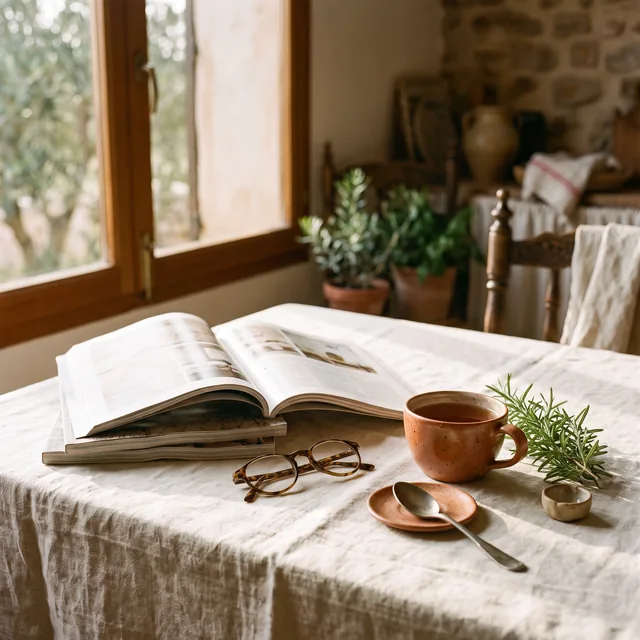
Espresso Made Simple: The Foolproof Guide
Master espresso with a reliable recipe: use an 18g dose, a 1:2 ratio (36g out), and a 25–30 second extraction at 93°C. Adjust grind for taste—finer for sour (under-extracted), coarser for bitter (over-extracted). Mind temperature for roast type, use freshly ground beans, and let your machine fully heat. Troubleshoot by altering one variable at a time, and track changes for consistent, delicious shots.
Chapters
Transcript
Two voices from the Online Media Network archive.
Ever pulled a shot of espresso and wondered if you’d just wasted two dollars’ worth of beans? There’s that moment of truth—the first sip—and sometimes it’s just sour or bitter, never quite the café magic you hoped for.
That’s such a classic espresso heartbreak. Hi everyone, I’m here with you today to break down what actually works—no more vague tips or endless guesswork. We’re going to talk about nailing the recipe, reading your shot, and knowing exactly what to tweak.
Here’s our promise: by the end of this episode, you’ll have a practical, repeatable method for making espresso that actually tastes amazing, not just good on a lucky day.
We’ll walk through five key ingredients—dose, water, time, temperature, and grind—plus we’ll talk about how to ‘read’ your shot, fix sour or bitter flavors, work with temperature and roast, and dodge the most common mistakes. Ready to dial in? Let’s get started.
So the heart of espresso is really a simple ratio: that 1:2 brew, right? Eighteen grams of coffee in, thirty-six grams of liquid out, and all within twenty-five to thirty seconds.
Exactly. And honestly, having a scale that measures tenths of a gram is more helpful than any fancy tamper. Precise dosing and time are everything here.
I used to think tamping was all about brute strength, but it turns out being consistent matters way more than pressing super hard.
You nailed it! Just keep your pressure steady every time. The rest is about prepping your basket—wiping it dry, distributing the grounds evenly, and then locking in your portafilter before you even start thinking about extraction.
What always trips people up is the look of the shot in those first seconds. Some people panic if the stream is too fast or slow. What’s the key visual cue for you?
For me, if I don’t see those first drips between six and ten seconds, I know something’s up. Honey-thick and dark at the start—that’s the sweet spot. If it’s running thin right from the start, the grind is definitely too coarse.
And on the other end, if you’re practically staring at your espresso just dripping and nothing’s flowing after fifteen seconds, you’ve probably gone too fine.
Yep. It’s all about reading those little signals as soon as the pump starts. Messy streams or weird timing? That’s your espresso telling you to adjust.
Let’s tackle the taste test—because nothing feels worse than investing all that effort, taking a sip, and thinking, ‘Oof, why is this so sour or bitter?’
If you get that sharp, sour zing, your shot is under extracted—the water didn’t pull enough out. The fix? Try grinding finer or letting it run a little longer next time.
And if it’s that bone-dry, ashy bitterness, the water’s been in contact too long. So you’d want to grind coarser, or stop the shot earlier.
Exactly. And if your espresso manages to be both sour and bitter? That’s likely channeling—water’s found a shortcut through your puck. Better distribution before tamping usually solves that.
Temperature can be a wild card, especially if your machine doesn’t have a setting for it. What do you do when you’re working with different roasts?
Light roasts love more heat—think ninety-four to ninety-six degrees—since the beans are denser. Dark roasts are pretty happy down at ninety to ninety-two. If your machine’s basic, running a blank shot before the real one can help you tweak the heat just enough.
I’ve noticed that with a fresh bag of beans, the shots go a little haywire for a week or so. Is that just degassing?
Yes! Fresh beans are gassy, so expect extra crema and unstable shots for the first seven days. By day ten, things settle. But if you’re into week five, grind finer because the beans dry out and extraction slows.
Here’s something most people don’t realize: pre-ground coffee is almost always a letdown for espresso. Ten minutes and all those aromas are gone.
That and using a cold cup—you can lose ten degrees instantly, which just flattens the whole experience. Oh, and let’s not forget impatience. Your machine needs at least fifteen minutes to warm up, sometimes even longer.
Waiting for the boiler and group head to heat up is my least favorite part, but it really does make all the difference.
It’s totally worth it for that full, rich shot. Investing those extra few minutes pays off in flavor every single time.
So, key takeaways: First, start with a 1:2 brew ratio and measure everything. Second, only change one variable—like the grind—at a time. Third, read your shot’s timing and taste to guide adjustments.
And don’t forget: fresh beans and a hot cup matter way more than any gadget, and patience is half the recipe. If you’re getting weird flavors, check your grind, your dose, and how long you’re pulling the shot.
If you do one thing after this episode, get yourself a good scale and spend a week dialing in just one type of bean. You’ll actually understand what’s happening in your cup.
Thanks for brewing along with us today. If you found this helpful, try the recipe and let us know how your next espresso comes out. Until next time, enjoy every shot!
Show
More from The Magazine
Topic episodes from the network's magazines.
Dubai's Lavish Afternoon Tea & Sweets
Dubai reinvents afternoon tea with sky-high venues, gold-topped pastries, and local twists like date syrup and saffron. Top palace hotels host extravagant teas, while Al Nassma pioneers camel milk chocolate. French pastry houses thrive alongside local icons like Brix Desserts. The season runs November–March, with elegant dress codes and late hours. Expect high prices, unique flavors, and unforgettable settings from Jumeirah to the Dubai Mall.
Tenerife: Europe's Eternal Spring Island
Tenerife offers year-round mild weather, dramatic landscapes split by Mount Teide, and unique Canary Island palms. It boasts diverse beaches, volcanic scenery, and cultural events like the vibrant Carnival and Corpus Christi sand carpets. Ideal for remote workers and families, Tenerife provides coworking spaces, resort amenities, and attractions for kids. The island combines Spanish prices, easy European flights, and a perfect escape from winter's cold.
Understanding Diamond Certificates
Learn how to read diamond certificates from GIA, IGI, and HRD to compare stones and spot value. The guide explains key sections: report number, measurements, grading results, proportions, fluorescence, and inclusions. GIA is the strictest lab; IGI is slightly more generous. Always verify report numbers and check for clarity comments. Certifications describe a stone, not its value, and grades are fixed unless the stone is damaged.
Rethinking Wall Finishes: Beyond Flat White
This piece explores how wall finishes, from lime wash and clay plaster to marmorino and tadelakt, dramatically affect a room's look and feel. Flat white paint, though common, reflects light uniformly and can appear cheap in good light, while textured plasters add depth, warmth, and age gracefully. The article emphasizes sampling, substrate preparation, and choosing the right white for your light conditions, advocating for continuity across walls and ceilings for a cohesive space.